Doctoral Studies
TU Eisenfeld awards the doctoral degrees Dr.-Ing., Dr. rer. nat. and Dr. rer. oec. in the engineering, natural, economic and behavioural sciences. The doctorate is an independent research achievement, supported digitally end to end — from first advice to the defence.
Two doctoral paths
The individual doctorate is carried out in close cooperation with a professor of the chosen school and leaves topic and schedule largely open. The structured doctorate within one of the doctoral colleges combines the candidate's research with a binding qualification programme, cohort supervision and regular progress colloquia. Both paths lead to the same degree; part-time and external doctorates are possible in both models.
- 01Individual doctorate at one of the nine schools
- 02Structured doctorate in a doctoral college
- 03Part-time and external doctorates possible
- 04Thesis language German or English
Requirements and admission
Admission requires a relevant master's degree (or equivalent diploma) with an above-average result. The school's doctoral committee decides on admission and acceptance on the basis of the research proposal, the supervision agreement and transcripts. International degrees are assessed according to the standards of the German Conference of Education Ministers; language evidence (German B2 or English C1, depending on the thesis language) forms part of the review.
- 01Relevant master's degree with above-average result
- 02Research proposal (10–15 pages)
- 03Supervision agreement with a professor
- 04Language evidence: German B2 or English C1
- 05Decision by the school's doctoral committee
The doctoral process
A doctorate normally takes three to five years. After acceptance, a supervision agreement records rights, duties and milestones. Annual progress reviews and at least two subject colloquia safeguard quality. The dissertation is assessed by at least two examiners; the doctorate concludes with a public defence. Every procedural step — from registration to submission — runs through the digital doctoral portal.
- 0101 · Initial advice and topic development
- 0202 · Proposal and supervision agreement
- 0303 · Acceptance by the doctoral committee
- 0404 · Supervision agreement and work plan
- 0505 · Research phase with annual progress reviews
- 0606 · Subject colloquia and publications
- 0707 · Submission and assessment of the dissertation
- 0808 · Public defence and publication
Supervision and international cooperation
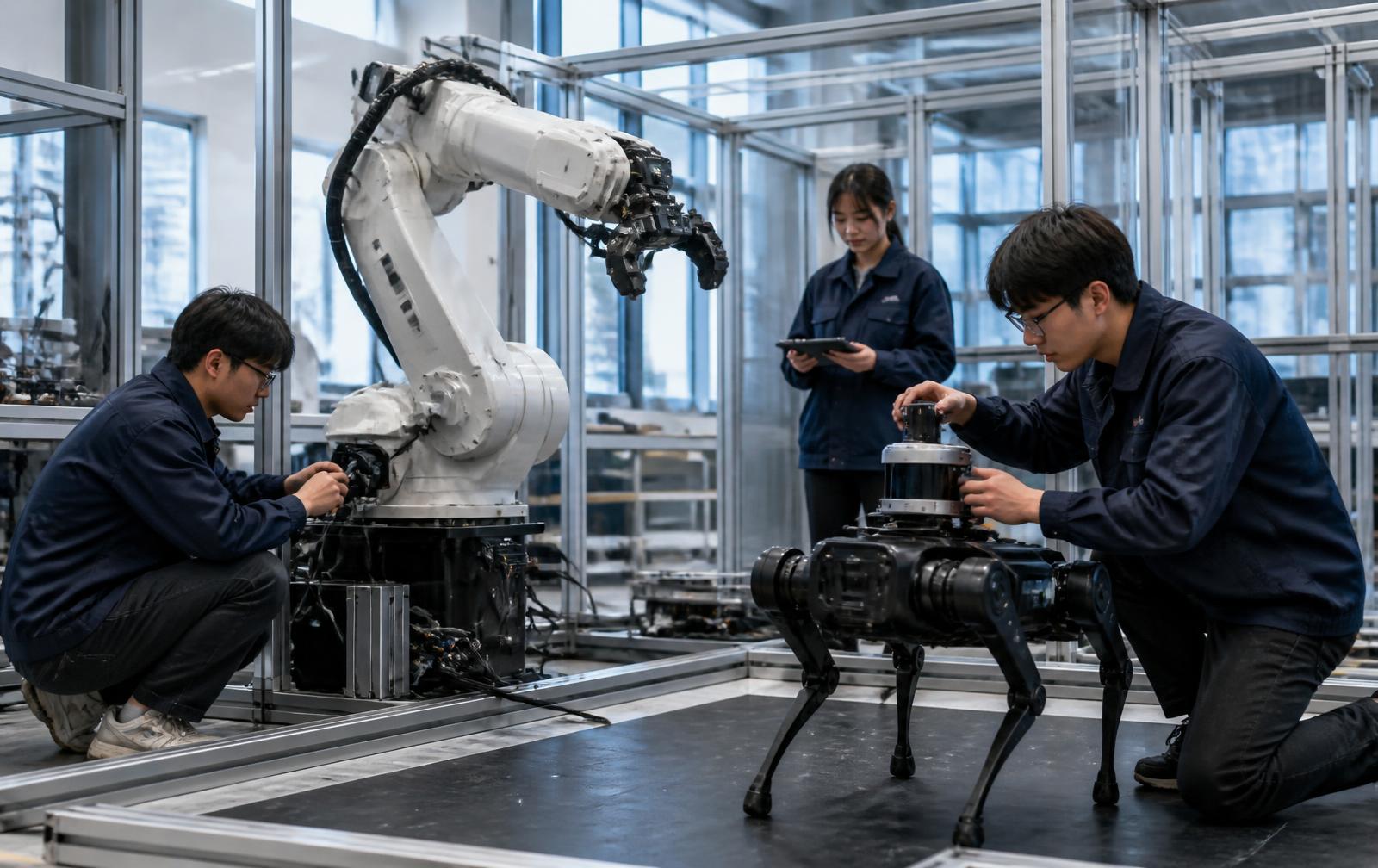
Every doctorate is accompanied by a supervision team consisting of the principal supervisor and at least one further person holding a doctorate. For projects with partners abroad, the university supports binational doctorates (cotutelle) on the basis of individual agreements — including joint supervision, stays at the partner university and mutual recognition. Doctoral researchers of the engineering schools receive remote access to the virtual laboratories and compute clusters.
Funding
Funding options include research-associate positions in funded projects, the university's research assistantship and external foundations. The transfer office also arranges industry-linked doctorates in which the research topic is pursued jointly with a company. The scholarship committee advises on combinations and deadlines.
- 01Research-associate positions in funded projects
- 02University research assistantship
- 03Industry-linked doctorate via the transfer office
- 04External foundations and funding bodies
Doctoral office
The doctoral office is the central contact for all procedural matters: it checks documents, runs the doctoral portal, organises the colloquia and accompanies the defence and publication. Reachable via [email protected] and in the digital consultation hours on Tuesdays and Thursdays, 2–4 pm.