
MSc Computer Engineering
Computer architecture, edge computing and high-performance embedded systems.
- Qualification
- einschlägiger Bachelorabschluss (180 ECTS) oder ein als gleichwertig anerkannter Abschluss
- Academic credits
- 120
- Study mode
- Hybrid / Online
- Language of instruction
- Deutsch / English
- Duration
- 4 Semester
- Start
- 1. Oktober 2027
- Tuition
- 2.450 EUR pro Semester, insgesamt 9.800 EUR
- Application deadline
- 15. Juli 2027
Overview
Computer architecture, edge computing and high-performance embedded systems. The programme combines scientific foundations with project-based engineering practice, delivered in structured semesters with supervised teaching.
Curriculum
Illustrative curriculum. The officially approved module structure will be published once programme documentation is available.
Semester 1
- Computer Architecture
- Embedded Systems
- VLSI and FPGA Design
- Numerical Methods
Semester 2
- Real-Time Systems
- Internet of Things
- Parallel and High-Performance Computing
- Research Seminar
Semester 3
- Digital Twins and Simulation
- Machine Learning
- Applied Cryptography and Hardware Security
- Research Project
Semester 4
- Master's Thesis and Defence
Learning outcomes
- Apply scientific method to technical problems
- Design, model and evaluate complex systems
- Communicate results to specialist and international audiences
- Assess technological developments in ethical and legal terms
Admission requirements
- Relevant bachelor's degree (at least 180 ECTS) or an equivalent recognised foreign degree with an overall grade of 2.5 or better
- Evidence of proficiency in the language of instruction — English C1 (IELTS 7.0 / TOEFL iBT 95) or German C1 (TestDaF 4x4 / DSH-2), depending on the language of instruction
- Complete application documentation — transcripts, language certificate, CV and identity document
Career opportunities
- Development and design roles in technology-driven organisations
- Research and development in institutes and industry
- Project and systems responsibility in interdisciplinary teams
- Progression to master's or doctoral study
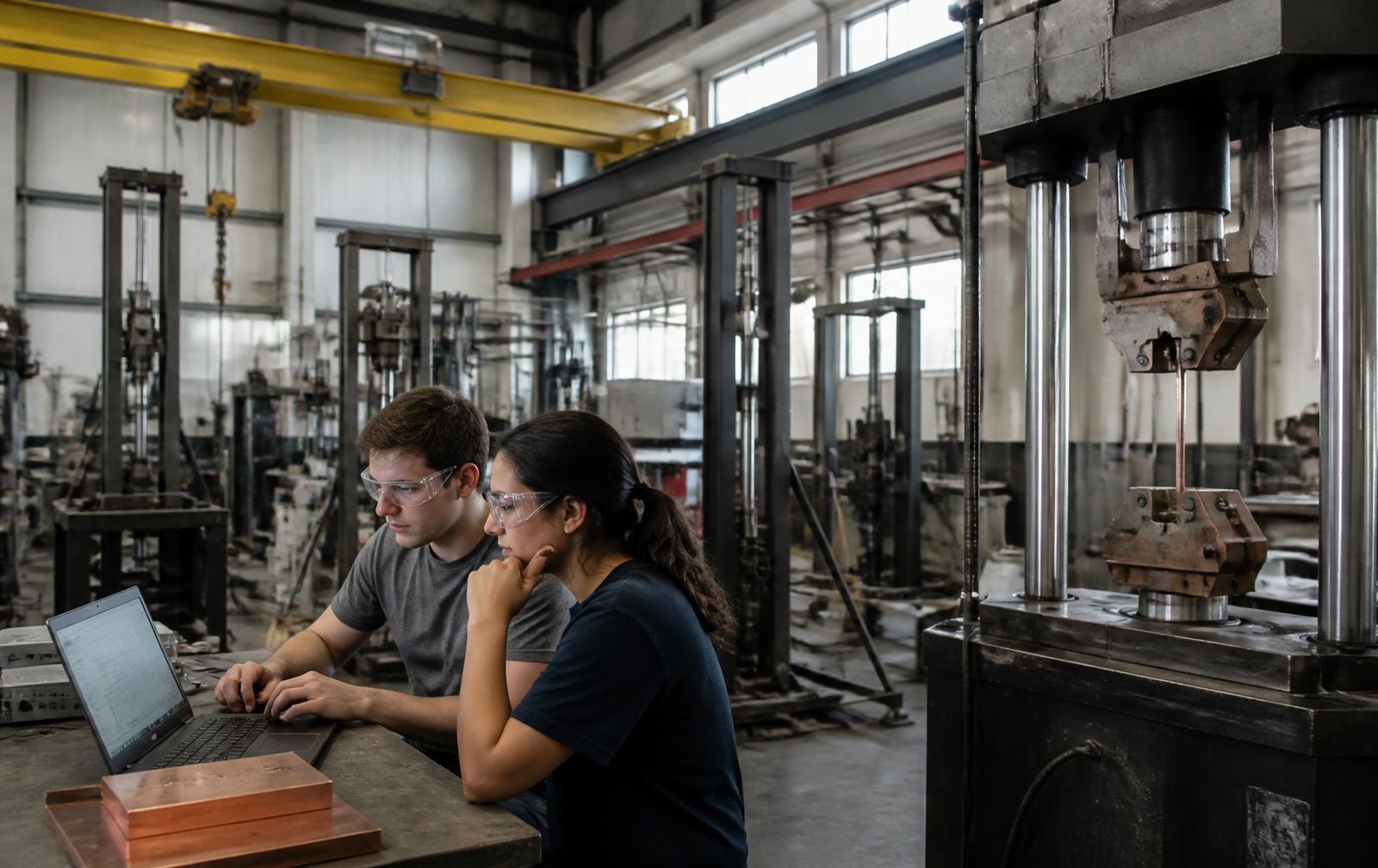
Virtual laboratories
Practical engineering education requires laboratory work. TU Eisenfeld develops virtual laboratory environments in which students work with realistic models, measurement data and control tasks.
Read more